What are Diecast Aircraft Models
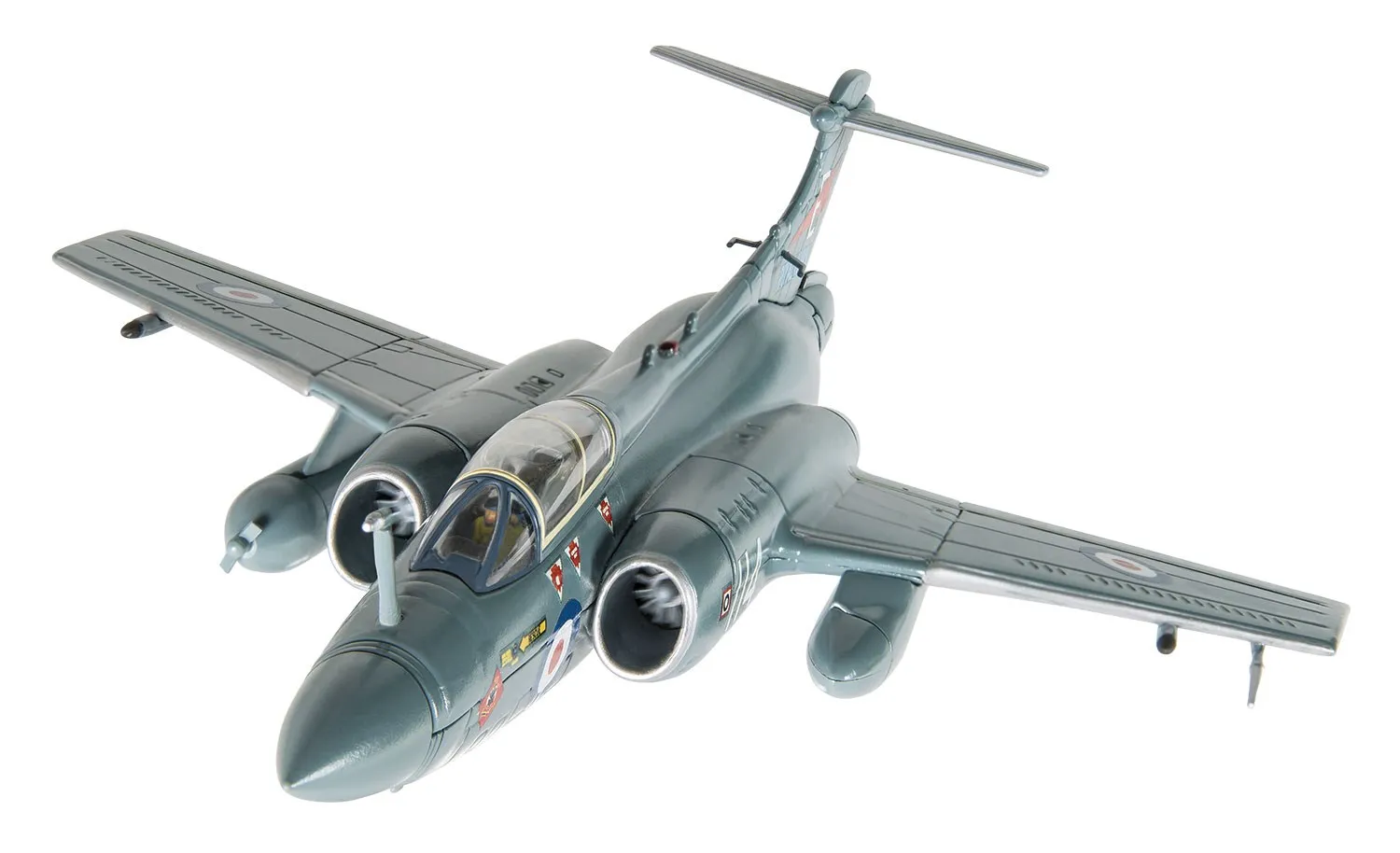
Diecast aircraft models are miniature replicas of real-world airplanes, meticulously crafted using a die-casting process. This involves injecting molten metal, typically zinc alloy, into molds to create highly detailed and accurate representations. These models are popular among aviation enthusiasts, collectors, and hobbyists, offering a tangible way to appreciate the beauty and history of flight. The level of detail can vary, but many models feature intricate paint schemes, realistic markings, and functional parts like rotating propellers and landing gear. They serve as a fantastic way to connect with aviation history and can range from iconic warbirds to modern commercial jets, catering to a wide spectrum of interests.
History of Diecast Aircraft Models
The history of diecast aircraft models stretches back several decades, with early examples appearing in the mid-20th century. Initially, these models were often simple toys, but as manufacturing techniques advanced, so did the level of detail and realism. Early manufacturers focused on creating durable, affordable models for children. Over time, the hobby evolved, with manufacturers catering to a growing market of serious collectors. The rise of the internet and online communities further fueled the popularity of diecast aircraft models, allowing enthusiasts to connect, share knowledge, and trade models from around the world. Today, the industry boasts a diverse range of models, reflecting the evolution of aviation from the earliest biplanes to the most advanced jet airliners.
Types of Diecast Aircraft Models

Diecast aircraft models come in a wide variety of types, catering to diverse interests within the aviation world. The models are typically categorized by the type of aircraft they represent, with the most popular categories including military aircraft and commercial aircraft. Military models often replicate historical and modern warplanes, such as fighter jets, bombers, and transport aircraft. They offer a detailed glimpse into the evolution of military aviation, allowing collectors to appreciate the design, technology, and history of these aircraft. Commercial aircraft models, on the other hand, showcase the airliners that shape the modern world. These models depict various aircraft, including Boeing and Airbus, in the liveries of different airlines. These models are very popular because of their ability to represent the history of flying and different airlines.
Military Aircraft Models
Military aircraft models are highly sought after by collectors and enthusiasts interested in aviation history and military technology. These models accurately represent various fighter jets, bombers, transport aircraft, and other military planes from different eras and countries. From iconic World War II fighters to modern stealth aircraft, military diecast models offer a detailed look into the evolution of aerial warfare and defense. The level of detail can be incredibly impressive, with accurate paint schemes, markings, and weaponry. For many, collecting military models is a way to honor the aircraft, pilots, and the history behind each plane. The variety is nearly endless, covering aircraft from the early days of flight through today’s cutting-edge technology, catering to a wide array of interests within the military aviation sphere.
Commercial Aircraft Models
Commercial aircraft models are another popular category in the diecast model world, appealing to those fascinated by the evolution of air travel and the world’s airlines. These models showcase the diverse range of passenger airliners, cargo planes, and other commercial aircraft from different manufacturers like Boeing and Airbus, and are depicted in the liveries of various airlines from around the globe. The detail on these models is often remarkable, with accurate representations of the aircraft’s design, paint scheme, and airline markings. Collectors of commercial aircraft models often focus on specific airlines, aircraft types, or historical periods. The models serve as a way to celebrate the history and diversity of air travel, allowing enthusiasts to build a miniature fleet of their favorite planes and airlines.
Scale of Diecast Aircraft Models

The scale of diecast aircraft models is a crucial factor, determining the size and level of detail in the model. Scales are represented as a ratio, indicating the relationship between the model’s size and the real aircraft’s size. For example, a 1:72 scale model is 72 times smaller than the actual aircraft. The most popular scales are 1:72, 1:100, 1:200, and 1:400, each offering different advantages and appealing to various collectors. Larger scales like 1:72 provide more detail but require more space, while smaller scales like 1:400 are ideal for displaying a large collection. Choosing the right scale depends on personal preferences, available space, and the types of aircraft desired. The standardization of scales allows collectors to easily compare models and build cohesive collections, creating a diverse display of aviation history and design.
Common Scales
Several scales dominate the diecast aircraft model market, catering to different preferences and collection styles. 1:72 scale is very popular for military aircraft, offering a good balance between detail and size. 1:200 scale is often used for commercial aircraft, providing a great amount of detail while still being manageable in size. 1:400 scale is extremely popular, especially for commercial aircraft, due to its compact size, allowing for the collection of a large number of models without requiring excessive space. These are the most common scales, and other scales like 1:144 or 1:500 exist, each catering to particular aircraft types or collector preferences. The prevalence of these scales ensures that there’s a wide variety of models available, and that collectors can expand their collections across many different aircraft types and manufacturers.
Materials Used in Diecast Aircraft Models
The materials used in diecast aircraft models significantly impact the model’s quality, durability, and detail. The primary material is often a zinc alloy, which provides weight, durability, and allows for intricate detailing. These metal models often form the foundation of the model and give it a robust feel. Plastic components are frequently used for parts like wings, stabilizers, and other details, offering greater flexibility in design and production. The use of different materials allows manufacturers to create highly detailed and accurate models that can withstand the test of time. The combination of metal and plastic, along with high-quality paint and decals, allows these models to closely replicate the look and feel of real aircraft.
Zinc Alloy

Zinc alloy is the most common material used in the production of diecast aircraft models due to its unique properties. This alloy, which usually consists of zinc, aluminum, magnesium, and copper, offers excellent castability, allowing manufacturers to create intricate details and complex shapes. The weight of the zinc alloy gives the model a realistic feel and enhances its stability. Furthermore, zinc alloy is known for its durability, ensuring that the model can withstand handling and remain in good condition for many years. The use of this material is a defining characteristic of diecast models, distinguishing them from plastic or resin alternatives. Zinc alloy allows manufacturers to produce high-quality, detailed, and durable replicas of real-world aircraft.
Plastic
Plastic is another essential material in the construction of diecast aircraft models, often used for specific parts like wings, stabilizers, engine nacelles, and other detailed elements. Plastic offers several advantages over zinc alloy, including greater design flexibility, allowing for more complex shapes and intricate details. The use of plastic also makes it easier to achieve fine surface details and incorporate realistic features. Plastic components can be produced using injection molding, which is a highly efficient and cost-effective manufacturing process. Modern plastics are also very durable and resistant to wear and tear, contributing to the longevity of the model. The combination of zinc alloy and plastic allows manufacturers to create highly detailed, realistic, and affordable diecast aircraft models, appealing to a wide range of collectors and hobbyists.
How to Collect Diecast Aircraft Models
Collecting diecast aircraft models is a rewarding hobby that offers the opportunity to appreciate aviation history and design. It is recommended to define what aircraft or airlines appeal to your taste, or if you are interested in any particular scale. Collectors often focus on specific aircraft types (e.g., WWII fighters), airlines, or historical periods. Research and compare models from different manufacturers, paying attention to detail, accuracy, and quality. Join online forums and communities to exchange knowledge, share your collection, and find rare models. Display your collection in a way that suits your style, whether it’s on shelves, in display cases, or on dedicated model stands. Collecting is about finding enjoyment and building a collection that resonates with you. The collecting hobby requires dedication to develop and evolve over time. You will learn more as time goes on, and build up relationships with other collectors.
Finding Models

Finding diecast aircraft models requires a combination of online research, local exploration, and networking within the collecting community. Online retailers like Amazon and specialty model shops offer a vast selection of models from various manufacturers. Local hobby stores and toy shops can sometimes be great resources for finding models. Attending model shows, swap meets, and collector events is a fantastic way to discover rare models and connect with other enthusiasts. Check online auction sites, and regularly search on websites that sell models. Building relationships with fellow collectors and dealers can open doors to finding specific models. Always research pricing and condition before making a purchase, and consider the authenticity of any model.
Storing and Displaying Models
Proper storage and display are essential to protect your diecast aircraft models and showcase them effectively. To display your models, consider using display cases, shelves, or specialized model stands. Display cases are an excellent option, especially for valuable or fragile models, as they provide protection from dust, sunlight, and accidental damage. When storing models, keep them in a cool, dry place away from direct sunlight to prevent fading or damage. Dusting your models regularly with a soft brush or cloth is important to maintain their appearance. Be mindful of how the display is arranged by grouping models by aircraft type, airline, or scale to create a visually appealing and organized display. You can create a dedicated area for your collection, reflecting your passion for aviation.
Top 7 Facts about Diecast Aircraft Models
Fact 1
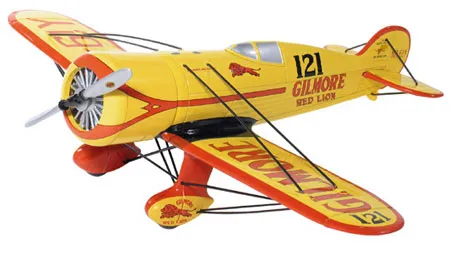
Diecast aircraft models are primarily made from a zinc alloy, providing weight and detail. This alloy enables accurate representation of aircraft features. The use of zinc alloy is what distinguishes the model from plastic models.
Fact 2
The scales of diecast models are ratios. The most common scales are 1:72, 1:200, and 1:400. Choosing a scale is important in determining the level of detail and size.
Fact 3
Diecast models offer a tangible connection to aviation history. They provide a detailed look into planes and historical periods.
Fact 4

Military aircraft models represent fighter jets, bombers, and other military planes. These models are very popular amongst military enthusiasts and historians.
Fact 5
Commercial aircraft models feature airliners in airline liveries. These are highly sought after due to their historical importance.
Fact 6
Collecting models involves finding and displaying them. There are various channels to find and acquire models such as online retailers and local shops.
Fact 7
Proper storage and display are essential to protecting the models. Collectors often display them in display cases.
Where to Buy Diecast Aircraft Models
Diecast aircraft models can be found through various channels, both online and offline. Online retailers such as Amazon and eBay offer wide selections of models from different manufacturers and scales. These platforms offer convenience and the ability to compare prices. Specialty shops that focus on model collecting also offer a curated selection of models, often with expert advice and personalized service. Local hobby shops can have diecast models as well as provide a great sense of community. Attending model shows and events will allow you to find rare models. The combination of options ensures that collectors can find models that match their preferences and build their collections.
Online Retailers
Online retailers offer convenience and variety for buying diecast aircraft models. Large platforms like Amazon and eBay provide a vast selection of models from different brands, scales, and aircraft types. These sites often have competitive pricing and customer reviews, aiding in the purchase decision. Dedicated model stores like those that focus on models of planes often have a more niche market. When buying online, make sure you look at the shipping costs and return policies.
Specialty Shops
Specialty shops offer unique benefits for collectors. These shops usually have knowledgeable staff who provide guidance and personalized service. Specialty shops offer a curated selection of models, focusing on quality and accuracy. Furthermore, these shops often stock rare or limited edition models that are difficult to find elsewhere. By supporting specialty shops, you can be part of a community of collectors, and potentially expand your knowledge.